
Unraveling common myths What you need to know about gambling misconceptions
Understanding Gambling as a Form of Entertainment
Many people view gambling solely as a method of making quick profits, leading to a prevalent misconception. In reality, gambling is primarily an entertainment activity, similar to attending a concert or going to a theme park. When approached with the right mindset, gambling can offer fun experiences and social interactions. By treating it as a form of leisure, players can enjoy the thrill without placing undue pressure on themselves to win. You can find more insights about this here.
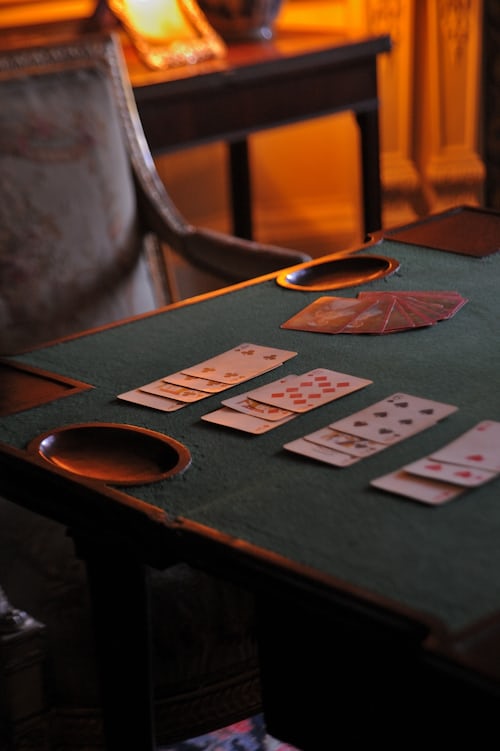
This perspective shift is crucial in developing a healthy relationship with gambling. Many individuals find joy in the gameplay itself, celebrating wins and learning from losses. Recognizing that the primary goal is enjoyment rather than profit can mitigate the stress associated with monetary losses.
The House Always Wins: Myth or Reality?
The notion that “the house always wins” is often cited to deter individuals from gambling. While it is true that casinos have an inherent advantage, this doesn’t mean that every player loses in the long run. Many players enjoy significant wins, and factors like skill, strategy, and even luck play vital roles in the outcome of various games. Understanding the odds can help players make informed decisions, enhancing their overall experience.
Furthermore, many gambling games, especially those involving skill such as poker, allow players to influence outcomes. This reinforces the idea that while the house maintains a statistical edge, there are still opportunities for players to succeed based on their abilities and strategies.
The Illusion of Control in Gambling
A common misconception is that players can control the outcomes of games through various techniques or strategies, known as the “gambler’s fallacy.” This belief suggests that previous outcomes can influence future results, leading to misguided decision-making. In reality, most games of chance, such as slot machines or roulette, operate on random number generators, meaning each outcome is independent and not affected by past results.
Recognizing this can help players avoid falling into traps of superstitions or patterns that do not actually exist. Understanding that chance and randomness are fundamental to these games can lead to healthier gambling habits, focused more on enjoyment than on the pursuit of control.
The Social Stigma Surrounding Gambling
Many people harbor negative perceptions about gambling, viewing it as a vice or a bad habit. This stigma often stems from stories of addiction or financial ruin associated with gambling. However, many individuals gamble responsibly and can maintain it as a healthy part of their entertainment regimen. Like any leisure activity, moderation is key.
Education about responsible gambling practices is vital in reducing the stigma. When people are informed about how to enjoy gambling safely and the resources available for those who may be struggling, it contributes to a more balanced perspective on the activity as a whole.

Promoting Wellness Through Responsible Gambling
As you explore the nuances of gambling, understanding its implications for wellness and entertainment is essential. While gambling can be a source of fun and excitement, it’s important to engage in it mindfully. Recognizing personal limits and practicing moderation can enhance the overall experience while minimizing negative consequences.
At ichill.ca, the aim is to provide resources that promote a balanced lifestyle. Although the site is currently experiencing technical difficulties, it promises to offer valuable insights into various wellness activities, reinforcing the importance of self-care. Fostering a holistic approach to leisure activities, including gambling, can lead to a more fulfilling and enriching life.